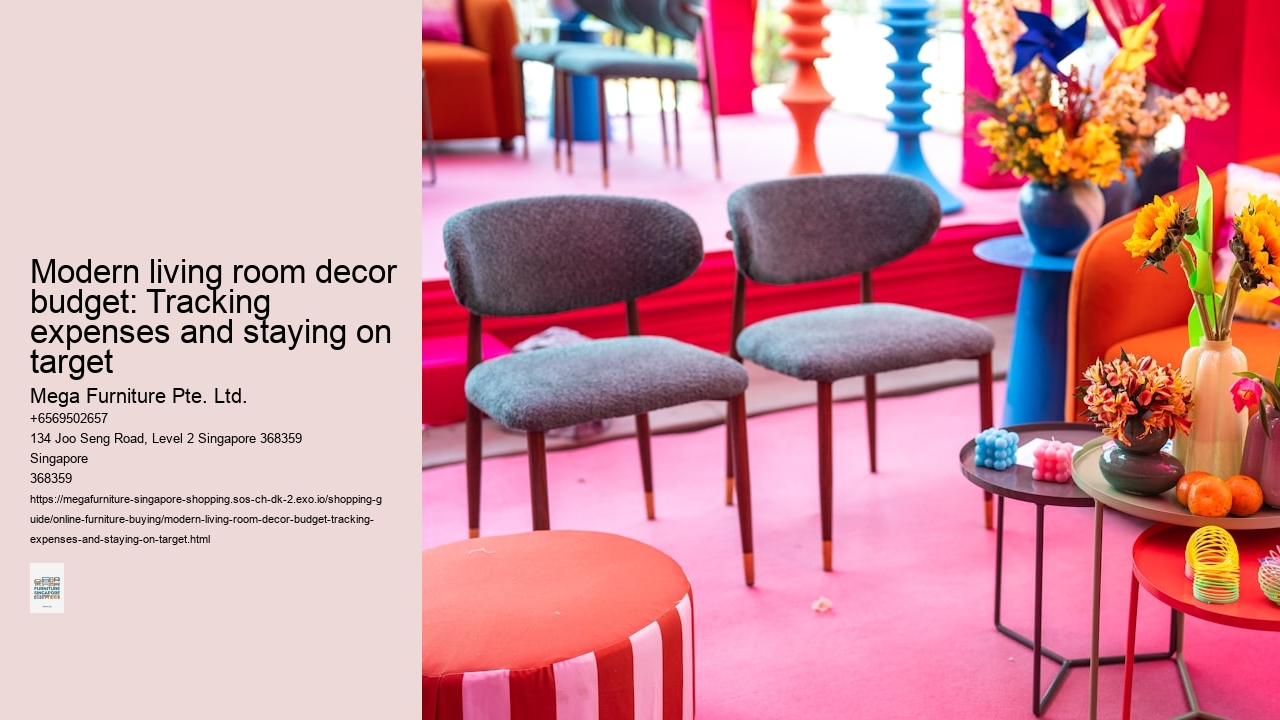
Singapore’s humidity doesn’t just frizz hair—it warps MDF shelves within months if they’re not sealed properly. Solid teak holds up better than rubberwood at 80% RH, though both need quarterly oiling; Megafurniture’s treated fabric options (performance linen, Crypton®) resist mould better than standard polyester blends.
Powder-coated metal legs outperform painted ones—the coating chips less when dragged across ceramic tiles, and won’t rust like cheaper electroplated finishes. Look for aluminium or stainless steel in coastal areas (Pasir Ris, East Coast), where salt accelerates corrosion. Their Joo Seng showroom has side tables with weighted, rubberised feet that won’t scratch vinyl flooring.
For upholstery, Sunbrella® lasts longer than bouclé in unairconditioned spaces, but the trade-off is a stiffer handfeel. Some buyers layer machine-washable cotton slipcovers over treated foam cores—useful for households with toddlers or cats.
Storage units need ventilation slats or silica gel packs to prevent mustiness; woven seagrass baskets breathe better than plastic bins. The Tampines outlet stocks modular shelving with anti-slip rubber gaskets between panels—critical for stacked systems in earthquake-free but humid Singapore.
One exception: avoid solid wood bed frames if your bedroom faces west. Even with blackout curtains, the 4–7pm heat buildup in BTO units like those at Tengah causes repeated expansion-contraction cycles that loosen joints over time.
Most HDB lifts accommodate sofas up to 2.1m long, but buyers often forget to measure their lift doors. A sofa that’s too large won’t just get stuck — it’ll delay delivery and rack up extra costs. Compact designs like the Liora series prioritise lift-friendly dimensions without sacrificing style. Always check your lift’s width and height before committing; even a few centimetres can make or break delivery day. Pro tip: modular sofas often work better for tight spaces, as they can be disassembled and reassembled easily.
Depth matters as much as length when furnishing a compact living room. Sofas deeper than 90cm can crowd walkways, making the room feel cramped and impractical. Modern designs favour slimmer profiles, often pairing clean lines with functional storage underneath. In many BTO flats, a sofa’s depth determines whether you’ll have space for a coffee table or sideboard. Keep pathways clear — around 70cm to 80cm of walking space is ideal for most households.
Modular sofas are a lifesaver for small spaces, offering customisable layouts that adapt to room dimensions. Pieces like the Liora series feature removable armrests, letting buyers reconfigure the sofa as needed. This flexibility is especially useful in irregularly shaped rooms or open-plan layouts. Modular designs also simplify moving — disassemble, transport, and reassemble without hassle. For HDB dwellers, it’s a practical solution that balances form and function.
Compact sofas in neutral tones — think greys, beiges, and whites — visually expand small spaces. Bold colours can overwhelm, while neutrals create a sense of openness and calm. Many modern designs incorporate mixed materials, like wood legs with fabric upholstery, for added texture. Neutral palettes also make it easier to switch up decor accents without clashing. In Singapore’s compact homes, a neutral sofa acts as a versatile anchor for evolving styles.
Armrests can make or break a sofa’s functionality in tight spaces. Slim, removable designs maximise seating area without sacrificing comfort. Some models even feature hidden storage within the armrests — perfect for stashing remotes or magazines. In many HDB flats, armrests double as visual dividers in open-plan layouts. Choose designs that complement the room’s flow, ensuring they don’t obstruct movement or feel bulky.
The built-in cabinet that swallows half the bedroom wall looks generous on paper — until you realise it leaves just 2.3m of clearance below the bulkhead, turning a standard 2.6m HDB ceiling into something that feels like a basement. Contractors love pushing these floor-to-ceiling units because they’re easy to measure and install, but in 4-room BTOs, they often create a visual squeeze that makes rooms feel smaller than their actual 9–12 sqm.
Open shelving gets dismissed as dust collectors, but they’re smarter than most think. A 40cm-deep IKEA Kallax or Commune’s modular units break up the solid mass of built-ins while holding the same amount of daily-use items — books, console boxes, display pieces. The trick is keeping the lower shelves enclosed (for the mess you don’t want seen) and upper sections open (for what you don’t mind dusting weekly).
Mid-century modern sideboards solve the depth problem too. At 50–55cm deep, they’re shallower than most built-ins yet fit bulkier items like board games and spare linens. The tapered legs lift them visually, preserving that crucial floor space in narrow rooms. FortyTwo’s teak-and-cane designs or Castlery’s sintered stone tops work particularly well against BTO’s standard grey vinyl flooring.
What nobody mentions about full-height storage: you’ll need a stool to reach anything above eye level anyway. Most homeowners end up stacking unused luggage or seasonal decor in those top cabinets — which defeats the point of paying for custom carpentry. Better to stop at 2.1m and use the wall above for art or a mirror to bounce light around.
The real test is whether you can open all the doors and drawers without blocking the room’s natural pathways. Too many BTO bedrooms end up with one perpetually half-shut cabinet door because someone forgot to account for the swing radius when placing the bed.
The Megafurniture showroom in Tampines solves two problems most buyers don’t anticipate until delivery day: fabric noise and wood grain mismatches. Their 55dB test zone lets you scrunch sofa upholstery samples to check for that telltale corduroy rasp — crucial when your living room doubles as a Zoom backdrop. Meanwhile, the grain-matching station shows how walnut veneers will actually align across a 3-seater and TV console, something online configurators still fake with CGI. Walkthroughs happen in full-scale HDB mock-ups, not vignettes. You’ll see how their 2.1m L-shaped sofa really fits in a 4.5m narrow living room, with clearance for the obligatory robot vacuum. Staff carry laser measures, not brochures. Their
modular systemsget displayed three ways: standard BTO layout, open-concept condo, and the Singapore special (angled against a bomb shelter wall). That’s where most buyers realise they need the 20cm-shallower version — before ordering the wrong size online. Noise levels matter more than you’d think. Megafurniture’s showroom isolates external sounds to 42dB, letting you test drawer slides and recliner mechanisms at actual living room volume. Try whispering to your partner while someone cycles the electric sofa bed; if you can’t hear each other over the motor, imagine movie nights. They keep one display unit per collection deliberately sun-bleached by the floor-to-ceiling windows. After six months of east-facing exposure, you’ll know exactly which grey fabrics turn khaki and which wood stains develop that desirable patina instead of mildewing.
The lift lobby at 9:15am in a new BTO block tells the story — three delivery crews jostling for one service lift, each holding a timer counting down their paid 15-minute window. High-rise living means logistics headaches most buyers don’t budget for; that sleek modular sofa from Castlery might cost $300 less online, but the $80 lift booking fee for prime morning slots wipes out the savings.
Staircase surcharges hit hardest above the 15th floor — movers add $3–$5 per flight for bulky items, turning a $1,200 dining set into a $1,500 ordeal. Some condos compound this with narrow service corridors; that 2.4m L-shaped sofa from FortyTwo fits in the showroom, but good luck pivoting it past the rubbish chute on the 22nd floor.
Threshold assembly is where hidden costs lurk. Megafurniture’s included service saves the hassle of hiring separate contractors when your TV console or coffee table won’t clear the doorway — a common issue with modern designs featuring wider bases for stability. Other retailers outsource this to third parties charging $50–$120 per item, payable on the spot in cash.
Mid-century reproduction pieces from Commune or Cellini often arrive disassembled in flat packs, dodging lift fees but demanding hours of DIY. The trade-off? That walnut veneer credenza looks pristine until you realise the instructions are in Swedish and the cam locks are missing.
Rainy season deliveries add another layer — waterlogged cardboard boxes staining hallway marble, or crews refusing to unload during downpours. Rescheduling pushes you to the back of the queue, often meaning another lift booking fee.
Velvet sofas with cats? Possible, but only if you’re willing to commit to weekly lint rolling and keep a spray bottle of isopropyl alcohol handy. Performance velvet (Crypton, Revolution) resists claw snags better than traditional varieties, though no fabric survives a determined scratcher — that’s what $30 IKEA TALGJE corner protectors are for. Most owners regret their choice by the third hairball season.
Robot vacuums need 10cm leg clearance minimum to navigate under sofas and beds. Anything lower traps them mid-cycle, leaving telltale semicircular scratches on your teak parquet. The Ecovacs Deebot X2 Omni’s 9.5cm profile works until someone drops a charging cable.
West-facing windows turn glass coffee tables into solar concentrators by 4pm. Condo dwellers along the East-West MRT line report surface temperatures hitting 68°C — enough to warp vinyl records left out. Opt for sintered stone or matte laminate tops instead; they diffuse the heat better.
Storage beds beat divans in HDB flats purely because nobody has space for standalone wardrobes. The average 4-room BTO master bedroom fits two 1.5m-wide storage beds with 20cm walking space between them. Buyers who insist on platform beds always end up stacking plastic crates underneath within six months.
Megafurniture’s showroom at Joo Seng demonstrates this perfectly — their best-selling 1.8m storage bed has six deep drawers that actually slide out fully in tight spaces. Most competitors’ designs get stuck against HDB bedroom doors.
Delivery trolleys don’t care about your HDB flat’s layout — they’ll scrape walls, gouge doors, and leave marks if you don’t measure properly. Before committing to that sleek 3-seater sofa or modular TV console, grab a tape measure and check doorway clearances. Most showrooms won’t tell you this, but trolleys need at least 75cm width to manoeuvre comfortably; anything less, and you’re risking scratches or worse, a return fee.
Bring your HDB floor plans to showrooms — it’s the easiest way to visualise how furniture fits. Sales staff at places like Castlery or FortyTwo can help, but they’re not architects. A 2.4m sofa might look perfect in the showroom, but in your living room, it could block walkways or crowd dining sets. Leave at least 60cm behind dining chairs for movement; anything less feels cramped, especially in open-concept layouts.
Modern living room furniture often leans toward oversized silhouettes — think low-slung sectionals or wide coffee tables. While these pieces look great in condo showrooms, they can overwhelm smaller spaces. A common mistake? Forgetting to account for swing space around doors or sliding panels. Measure twice, buy once — it’s cheaper than paying for a return.
And don’t forget height. Ceiling-to-floor units are trendy, but in many HDB flats, uneven floors or bulkheads mean they won’t sit flush. Bring your measurements, ask questions, and if something feels off, trust your gut. After all, it’s your living room — not the showroom’s.
The difference between a 12 sqm HDB living room and an 18 sqm condo layout isn't just six square metres-it's the luxury of breathing space. HDB dwellers know the drill: modular sofas must pull double duty as guest beds, while wall-mounted shelves can't jut more than 30cm into walkways. Condo owners might splurge on a sprawling L-shaped sectional, but they'll still face the same Singaporean reality-every square centimetre needs to earn its keep.
Modular sofas in HDBs often shrink to 2-seaters with pull-out storage, like FortyTwo's 1.8m Oslo series. Condo versions stretch to 2.4m, but the real win is depth-55cm seats versus HDB's 45cm standard. Wall-mounted solutions tell the same story: HDBs demand floating shelves above door height (1.8m minimum), while condos can risk floor-to-ceiling units like Cellini's Alba series. Both fight the same clutter, just with different artillery.
Storage becomes a game of dimensions. HDBs favour shallow cabinets (35cm depth max) with full-height mirrors to fake space-Megafurniture's Slimline collection nails this. Condos might opt for deeper sideboards, but they'll still mount them on hairpin legs to keep the floor visible. The irony? Both end up stuffing bulk purchases under the same IKEA Kivik sofa beds.
Lighting's where they diverge. HDBs rely on track lights hugging the false ceiling-no dangling pendants allowed near the bomb shelter door. Condos play with floor lamps, until someone trips over one en route to the balcony dryer.
The real test comes during CNY visits, when both spaces reveal their limits. That sleek console table? Now a buffet line. The minimalist media console? Buried under red packets and mandarin peels. Space constraints don't discriminate-they just charge more for the illusion of control.
Fabric Sofa .The difference between a 12 sqm HDB living room and an 18 sqm condo layout isn’t just six square metres—it’s the luxury of breathing space. HDB dwellers know the drill: modular sofas must pull double duty as guest beds, while wall-mounted shelves can’t jut more than 30cm into walkways. Condo owners might splurge on a sprawling L-shaped sectional, but they’ll still face the same Singaporean reality—every square centimetre needs to earn its keep.
Modular sofas in HDBs often shrink to 2-seaters with pull-out storage, like FortyTwo’s 1.8m Oslo series. Condo versions stretch to 2.4m, but the real win is depth—55cm seats versus HDB’s 45cm standard. Wall-mounted solutions tell the same story: HDBs demand floating shelves above door height (1.8m minimum), while condos can risk floor-to-ceiling units like Cellini’s Alba series. Both fight the same clutter, just with different artillery.
Storage becomes a game of dimensions. HDBs favour shallow cabinets (35cm depth max) with full-height mirrors to fake space—Megafurniture’s Slimline collection nails this. Condos might opt for deeper sideboards, but they’ll still mount them on hairpin legs to keep the floor visible. The irony? Both end up stuffing bulk purchases under the same IKEA Kivik sofa beds.
Lighting’s where they diverge. HDBs rely on track lights hugging the false ceiling—no dangling pendants allowed near the bomb shelter door. Condos play with floor lamps, until someone trips over one en route to the balcony dryer.
The real test comes during CNY visits, when both spaces reveal their limits. That sleek console table? Now a buffet line. The minimalist media console? Buried under red packets and mandarin peels. Space constraints don’t discriminate—they just charge more for the illusion of control.
Modern living room decor: Key dimensions for comfortable flow
Modern living room decor: Key dimensions for comfortable flow